January 30, 2026
In today's fast-paced world, professional heating services play a critical role in maintaining comfort within modern households and businesses. As fuel costs rise, there is an increasing demand for cost-saving and energy-efficient heating solutions. Let's delve into how investing in efficient heating systems and their maintenance can lead to long-term financial savings.
Energy Efficiency and Cost Savings
How Energy Efficiency Ratings Work
Energy efficiency ratings are critical indicators of how effectively a heating system converts energy into usable heat. Various metrics, like the AFUE for furnaces or the Heating Seasonal Performance Factor (HSPF) for heat pumps, offer insight into a system's performance. The higher the rating, the more efficiently the system operates, translating to lower energy use and reduced bills. These ratings assist consumers in comparing different systems, empowering them to make informed decisions that align with both their environmental goals and budget. Understanding and utilizing these ratings can thus lead to significant long-term savings on utility expenses.
The Impact of High-Efficiency Systems on Utility Bills
High-efficiency heating systems can have a profound impact on reducing utility bills. By utilizing advanced technologies and improved design features, these systems need less energy to achieve the same level of warmth as conventional models. This efficiency results in a notable decrease in monthly energy costs, providing quick returns on the initial investment. Moreover, over the system's lifespan, the savings accrued can be substantial, making high-efficiency options financially appealing despite their higher upfront costs. Homeowners who prioritize these systems can enjoy not only enhanced comfort but also improved financial outcomes.
Government Incentives for Energy-Efficient Heating
To promote energy efficiency, many governments offer financial incentives, such as tax credits and rebates, for homeowners who install high-efficiency heating systems. These incentives aim to reduce the financial hurdle of upgrading older systems, encouraging sustainable consumption practices. By taking advantage of such programs, homeowners can significantly offset the initial costs associated with these systems. Furthermore, these incentives often have the dual benefit of decreasing dependency on fossil fuels and supporting environmental conservation efforts. Capitalizing on these government initiatives ensures that both individual and societal gains are achieved through energy efficiency.
Comparing Costs: Traditional vs. High-Efficiency Systems
When comparing traditional heating systems with their high-efficiency counterparts, one must consider both initial costs and long-term benefits. While high-efficiency systems tend to require a larger upfront investment, their lower operating costs often result in substantial savings over time. Traditional systems, while initially less expensive, can accrue higher ongoing expenses due to less efficient energy use. Consumers should conduct a detailed cost-benefit analysis, examining potential savings on utility bills and factoring in available governmental incentives. This comprehensive approach ensures the financial viability of adopting high-efficiency solutions in the long term.
Long-Term Financial Benefits of Energy-Conserving Heating
Investing in energy-conserving heating systems offers appealing long-term financial benefits. Over time, the efficiency of these systems can significantly diminish annual operating costs, providing cumulative savings that outweigh the initial premium paid. According to Synergy Companies, regular HVAC maintenance, including filter changes and system inspections, can save homeowners 5% to 15% on annual energy bills. Moreover, the integration of emerging technologies can further enhance savings, future-proofing homes against rising energy prices. By adopting energy-conserving measures, homeowners can not only enjoy immediate fiscal benefits but also secure their financial well-being in future years.
Longevity Through Regular Maintenance
Preventive Maintenance vs. Emergency Repairs
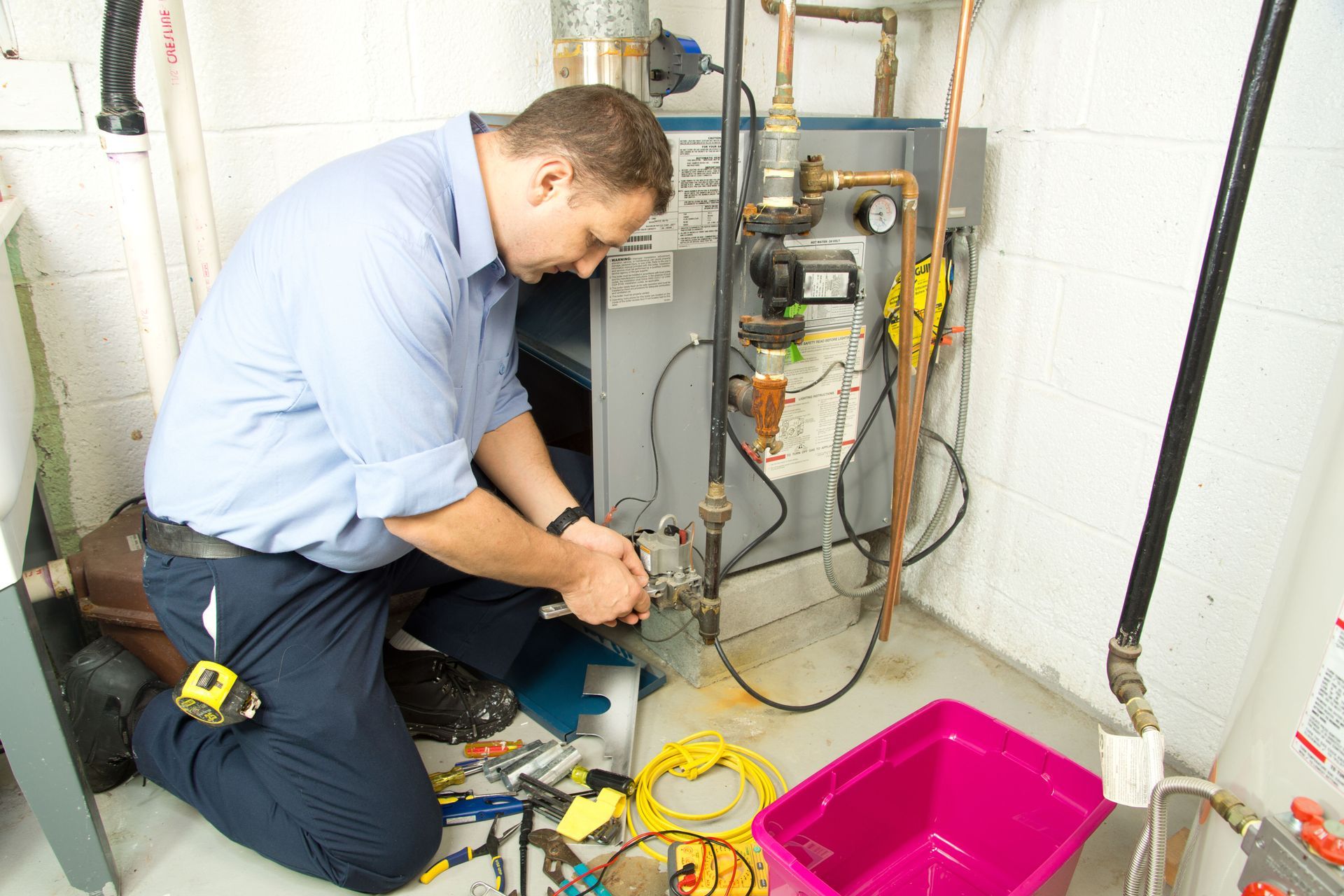
Regular preventive maintenance offered by heating services is crucial in preventing costly emergency repairs for heating systems. Scheduled check-ups help identify potential issues early, allowing for manageable corrections before they escalate into expensive problems. In contrast, emergency repairs often come at a premium cost due to their unexpected nature and the urgency required in addressing system failures. By investing in routine maintenance, homeowners can extend the life of their heating systems, ensuring reliability and minimizing the risk of sudden breakdowns. Proactive care thus leads to more predictable expenditures and peace of mind.
Seasonal Maintenance Practices
Engaging in seasonal maintenance practices is essential to keep heating systems in optimal condition year-round. Before the onset of colder months, professionals recommend thorough inspections and servicing, ensuring systems are ready to handle increased demand. This includes filter changes, lubrication of moving parts, and checking for leaks or obstructions, which all contribute to system efficiency and longevity. In the off-peak seasons, cleaning and minor adjustments can prevent wear and tear from becoming significant issues. Such seasonal practices not only enhance performance but also mitigate the need for costly interventions, fostering consistent savings.
Cost Benefits of Routine Check-Ups
Routine check-ups of heating systems yield substantial cost benefits by sustaining energy efficiency and preventing large-scale repairs. Regular inspections and timely interventions by reliable heating services maintain optimal functionality, averting the need for expensive replacements or overhauls. The nominal cost of these routine services is quickly recuperated through reduced energy bills and prolonged equipment life. Additionally, ongoing maintenance keeps the system in compliance with warranty requirements, safeguarding against unforeseen expenses. In the broader context, this approach fosters financial savings while ensuring the effective operation of heating solutions.
Extending System Lifespan through Maintenance
One of the significant benefits of regular maintenance is its role in extending the lifespan of heating systems. Consistent care addresses wear and tear issues before they compromise the system's durability, enhancing longevity while maintaining efficiency. With components regularly inspected and maintained, systems are less likely to experience failures that could lead to premature replacements. The financial implications of such maintenance extend beyond savings on repairs, ensuring that the system maximizes its expected service life. Consequently, a focus on upkeep underscores both economic prudence and sustainability in heating solutions.
Assessing and Upgrading Your Heating System
The Cost-Benefit Analysis of Upgrading Systems
Conducting a cost-benefit analysis is essential when considering a heating system upgrade. This process involves comparing the upfront costs of a new system with potential savings on future utility bills and maintenance expenses. While initial investments in high-efficiency systems may be significant, the long-term financial benefits often outweigh these costs through reduced energy consumption. Additionally, modern systems frequently include advanced features that enhance household comfort and convenience. By carefully evaluating these factors, homeowners can decide on upgrades that balance initial costs with sustained financial gains.
Choosing the Right System for Your Needs
Selecting the most appropriate heating system involves evaluating both household needs and environmental factors. Considerations include the size of the space, local climate conditions, and personal energy consumption preferences. Consulting with experienced energy auditors or professional heating services can provide valuable insights into system options that align with specific criteria. Additionally, comparing system efficiency ratings, warranty options, and installation costs helps in making an informed decision. By choosing a system that complements the unique dynamics of a household, homeowners can maximize comfort and efficiency while minimizing expenses.
Working With Qualified Professionals
Collaborating with qualified professionals during the assessment and installation of heating systems ensures effectiveness and efficiency. Experienced technicians provide valuable expertise in identifying the most suitable system designs and configurations for specific needs. Their insights also safeguard against potential pitfalls associated with improper installation or compatibility issues with existing infrastructure. Moreover, professionals offer ongoing support and maintenance services that preserve system performance and longevity. Leveraging this expertise establishes a foundation for long-term success and satisfaction in heating solutions.
Through exploring the advantages of efficient heating services and regular maintenance, you can enjoy substantial financial and environmental benefits. Investing in cutting-edge technologies and keeping systems in top working condition can lead to significant reductions in energy costs and prolonged equipment lifespan. Embracing efficient heating solutions with Active Air LLC is a pivotal step towards achieving cost savings. Reach out to us today to get started with a free consultation!